Journaling has a reputation problem. The word brings to mind leather notebooks, candlelight and handwriting so neat it could be a font. So most people assume they don't have the time or the temperament, and never start.
The people who have kept a journal for years tend to do something far plainer. They write for a quarter of an hour, most days, and don't make a fuss about it. Fifteen minutes is enough to notice what's going on in your head. It's also short enough that you'll still do it tomorrow.
Why fifteen minutes beats an hour
An hour of writing sounds appealing until you try to schedule it. It needs a clear diary, a quiet room and a decent amount of energy — which is precisely what's missing on the days you'd benefit most.
Fifteen minutes asks almost nothing. You can do it before the house wakes up, on a lunch break, or in bed with the light still on. Because the commitment is small, you stop negotiating with yourself about whether today is worth it. There's no warm-up, no build-up, no sense that a five-line entry would be a waste of a good notebook.
There's a second advantage: short entries stay honest. When you know the window is limited, you skip the throat-clearing and write the thing you were circling. One plain page written on a Tuesday will tell you more about your year than a beautiful notebook you abandoned in February.
Choose a slot and attach it to something
Morning and evening both work, for different reasons. A morning page clears the static before email and meetings begin. An evening page lets you put the day down instead of carrying it into the night. Pick whichever suits your energy, then keep it for a fortnight before you reconsider. If evenings keep getting eaten by other things, move to mornings for a week. The routine is portable; the slot itself isn't sacred.
The trick isn't willpower. It's attachment — hanging the habit on something you already do without thinking:
- While the kettle boils
- Straight after you brush your teeth
- Before you open your laptop
- Once you're in bed, with your phone charging across the room
If the notebook or the file isn't already there when you sit down, you'll skip it. Leave it out, open, in the same place every day.
A fifteen-minute routine you can copy
Set a timer for the first week. When it goes, stop. If you're mid-thought, jot the last line and leave it.
- Minute one: the date, plus a single line about where you are and how you feel.
- Minutes two to six: answer one question. What matters today, or what stayed with me yesterday.
- Minutes seven to twelve: write whatever is loudest. A worry, a decision, a conversation you keep replaying. Don't tidy it up.
- Minutes thirteen to fifteen: finish with one small next step, or one thing you're glad about. Close the book.
What that looks like on the page
14 May. Tired, but the good kind. Three things on the list and only one of them actually matters: the invoice. I keep rewriting the email to the landlord in my head. Send it before lunch, badly, rather than perfectly at midnight. Also — the walk home was genuinely nice.
That's it. No introduction, no summary. A page like this takes four minutes. The other eleven are there if you want them.
Prompts for blank-page days
- What's taking up the most room in my head right now?
- What did I do today that I'd happily do again?
- What am I pretending isn't a problem?
- What's the smallest useful thing I could do about it?
- Who haven't I spoken to in a while?
- What went better than I expected?
Answer one, not all six. Prompts exist to get you moving, not to be completed. Some days a single question does the whole job: what am I pretending isn't a problem? can produce one line and a decision. If none of them fit, describe the day instead — what you ate, who you saw, what annoyed you on the bus. Detail isn't trivial. It's what makes an entry worth rereading in three years.
Rules that keep the habit alive
- Write badly. Legibility is not the point.
- Don't reread every day. Save that for the occasional Sunday.
- No catch-up entries. A gap stays a gap.
- Missing one day is a day, not a failure. Missing three is worth noticing.
- Keep it private unless you've decided otherwise. A journal written for an audience is a performance.
- If handwriting feels slow, use the notes app on your phone. The habit matters more than the medium.
- Don't buy anything new until you've written for two weeks. A cheap exercise book does the same job as a nice one.
If writing starts to stir up something heavier than you expected — money worries, grief, a low mood that won't shift — a journal is a decent companion but not a substitute for talking to someone qualified. Seek proper advice and support when you need it.
Start tonight
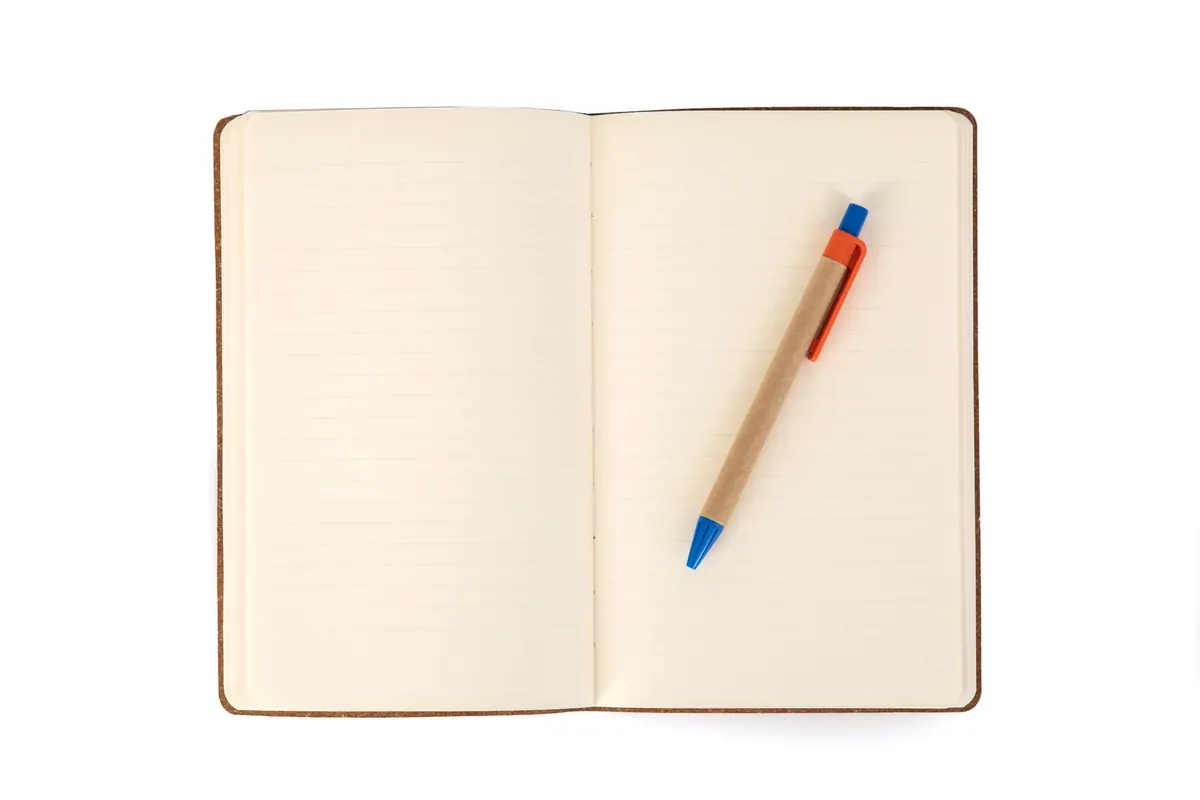
You don't need a system, a special pen or a better version of yourself. Tonight, put a notebook and pen where you'll sit tomorrow morning, or leave a blank note open on your home screen. Write the date. Then three sentences: what's on your mind, what matters tomorrow, and one thing you're glad about. That's four minutes' work. The rest of the quarter-hour is yours.
Do the same thing the next day. Within a week you'll have a small record of your days that nobody else owns. Within a month you'll start noticing patterns you'd otherwise have walked straight past. Fifteen minutes isn't the price of keeping a journal — it's the whole thing.
Photo: Engin Akyurt / Pexels