Most UK flats have at least one room that never quite gets going. The window faces north, the light stays soft and grey for much of the year, and the corner where a plant would look best is the darkest spot in the building. That does not put houseplants out of reach. It just means choosing differently, and being a little more deliberate about watering than the people whose living rooms face south.
What follows is the approach that works in real, imperfect flats: rented ones with small windows, terraced ones hemmed in by the house opposite, and top-floor conversions where the only sill is behind a sofa.
Read the light before you buy anything
A north-facing window delivers soft, indirect light all day. It is weaker than people assume, but it is consistent, and consistency suits a lot of foliage plants. The bigger surprise is how quickly light drops off with distance. A plant sitting two metres back from a bright window can receive far less usable light than one on a shadier sill, so position matters more than compass direction in many rooms.
To judge a spot roughly, hold your hand up in front of you in the middle of the day. A crisp, well-defined shadow means bright light. A soft, fuzzy shadow means medium. No shadow at all means you are in genuinely low light, and your plant choices need to reflect that.
Two cheap fixes are worth knowing. Pale walls and ceilings bounce light around, so a white room is kinder than a dark one. A mirror opposite the window does something similar. Neither turns a dim room bright, but both lift the gloom enough to widen your options.
Plants that genuinely cope with low light
None of these will grow vigorously in a dark corner, but they will hold their shape, survive missed waterings and forgive a certain amount of neglect.
- Snake plant (sold as Sansevieria, now classified as Dracaena trifasciata): upright, architectural, and remarkably relaxed about shade. Water it sparingly and it will quietly get on with things.
- ZZ plant (Zamioculcas zamiifolia): glossy leaves on thick stems, with water-storing rhizomes below the compost. One of the most forgiving plants you can put in a north-facing room.
- Devil's ivy (Epipremnum aureum) and heartleaf philodendron: trailing plants that will cover a shelf or a picture rail. Plain green varieties cope with shade better than heavily variegated ones, which tend to lose their cream and yellow markings when light is scarce.
- Spider plant: undemanding, quick to produce offshoots, and tolerant of a forgotten week.
- Cast iron plant (Aspidistra elatior): slow, dark green and famously hard to kill. It will not reward you with dramatic growth, but it stays looking respectable.
- Chinese evergreen (Aglaonema): happier in medium shade than deep shade, with patterned leaves that earn their space.
- Peace lily: survives low light well, though it will flower less. It also droops visibly when thirsty, which some people find useful and others find stressful.
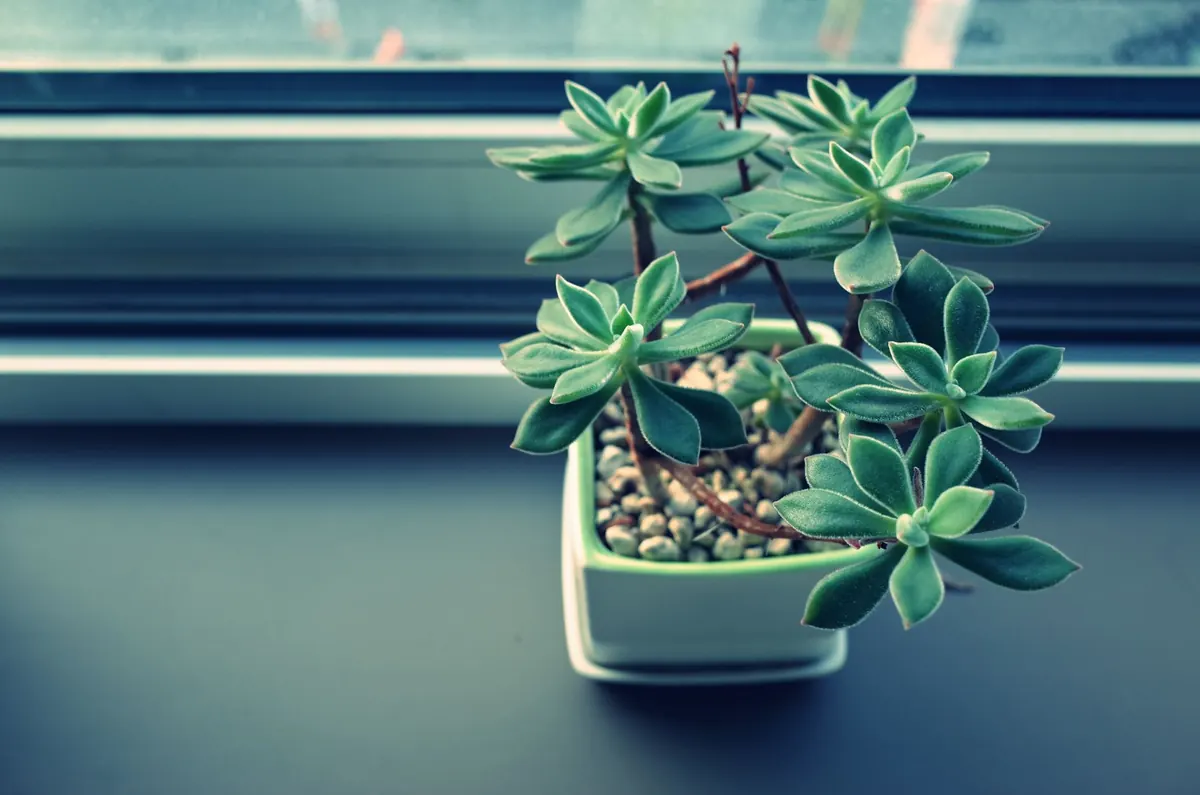
Leave succulents, cacti, most flowering plants and culinary herbs on the garden centre shelf. They need far more light than a north-facing flat can offer, and they decline quickly when they do not get it. Worth checking, too, whether a plant is safe around pets or small children, since several of the plants above are irritant if chewed.
Watering is where most low-light plants die
Less light means slower growth, and slower growth means the plant uses less water. The compost stays damp for longer, roots sit in it, and the plant quietly gives up. This is the single most common reason a houseplant fails in a dim room, and it is almost always mistaken for underwatering because the symptoms, yellowing leaves and a sad droop, look similar.
Work from the compost, not the calendar:
- Push a finger two or three centimetres into the soil. If it feels damp, wait. Check again in a few days.
- Lift the pot. A light pot is dry, a heavy one is wet. Learn the weight of each plant when it is freshly watered and you will rarely need to guess again.
- When it is dry, water thoroughly until it runs out of the drainage holes, then tip away whatever collects in the saucer. Little sips leave dry pockets and drowned corners.
- Adjust with the seasons. A plant that wanted water weekly in June might need it every two or three weeks in January. Winter watering is where most people overdo it.
Room-temperature water is gentler on roots than a cold blast straight from the tap, so let a jug stand for an hour if you have the patience.
The potting details that quietly matter
Drainage holes are not optional. If you have bought a decorative pot without them, keep the plant in its plastic nursery pot and lift it out to water. A layer of stones at the bottom of a sealed pot does not create drainage, whatever the internet says.
Use a compost that drains freely, mixed with perlite, bark or grit. Terracotta helps, because it wicks moisture away from the roots through the sides. And when you repot, go up by only a few centimetres; a small plant in a huge pot sits in wet compost for weeks.
Small adjustments that add up
Dust on leaves blocks the light a plant is already short of, so wipe foliage with a damp cloth every month or so. Rotate each plant a quarter turn weekly to stop it leaning permanently towards the window. Grouping a few pots together raises the humidity slightly around them, which suits tropical foliage.
Keep plants away from radiators, draughty doors and cold glass in winter. If you desperately want greenery in a windowless corner, an ordinary LED bulb in a desk lamp, a foot or two above the plant and left on for a few hours in the evening, will do more good than most people expect. A plug-in timer saves you remembering.
Reading the warning signs
- Yellow lower leaves and soggy compost: too much water, or nowhere for it to drain.
- Crisp brown edges: dry air, inconsistent watering, or a spot beside a radiator.
- Long pale stems with wide gaps between leaves: the plant is stretching for light. Move it closer to the window.
- No new growth for months: often just winter. Most plants slow down between November and February and pick up again in spring.
- Tiny flies around the compost: usually fungus gnats, which thrive in compost that never dries out. Let the top layer dry between waterings.
A routine that actually holds up
Once a week, spend two minutes walking round with a finger and a jug. Check the compost, empty the saucers, glance at the leaves. Once a month, wipe the foliage and give everything a quarter turn. Twice a year, in October and March, shift the whole collection closer to the window as the light changes and think about whether anything needs repotting or feeding.
That is the whole system. Low-light gardening is less about skill than about restraint: fewer plants, better chosen, watered less often than you think. Start with two or three from the list above, put them where you will actually see them, and let the flat tell you what works.
Photo: vedanti / Pexels