The first solo overnight trip is the one that gets postponed. Not because it is difficult, but because there is nobody to nudge you into booking it. That is the whole point, and also the obstacle. Once you have done one, the pattern becomes easy: a train, a bed, a day or two of your own company, and home before Monday.
What follows is for that first one. It assumes you are travelling by train, staying one or two nights, and would like to come back rested rather than relieved.
Choose the right kind of place to land
A small city or a large market town usually beats both extremes. You want a station near the centre, a walkable high street, a few good cafés and one thing genuinely worth seeing: a museum, a cathedral, a decent stretch of coast. Enough to fill a day without needing a car.
Big cities can be wonderful, but they ask more of you. On a first solo trip, fewer decisions is a kindness to yourself.
Look for signs that a place is used to visitors arriving on their own. A tourist information point, independent cafés open all day, a Saturday market, a small theatre, a university. Towns with a student population tend to have cheap food and an easy tolerance for people sitting alone with a book. Avoid anywhere that shuts completely on a Sunday unless that is precisely the weekend you want.
Book the train before the bed
Tickets and rooms move in opposite directions. Advance rail fares are released weeks ahead and climb as the date approaches; guesthouse rooms often get cheaper closer to the day if a town is quiet. So book the train first. It fixes your dates, and everything else follows.
A few things worth knowing:
- Advance single fares are usually far cheaper than a flexible return, but tie you to one specific train. Two singles are often cheaper than one return.
- A railcard pays for itself surprisingly quickly if you will make even a handful of journeys a year. Check the eligibility rules before buying.
- Buying direct from the operator or through a reputable retailer costs the same for the same fare. There is no secret discount for one and not the other.
- If your journey involves a change at a large station, allow generous time. Twenty minutes is comfortable; seven is not.
- Split ticketing — separate tickets for different legs of the same journey — can reduce the cost. It is legitimate, but your train must stop at the split point, so check the terms.
Pack light enough that you can carry your bag up a flight of stairs and along a platform without needing a rest.
Somewhere to sleep
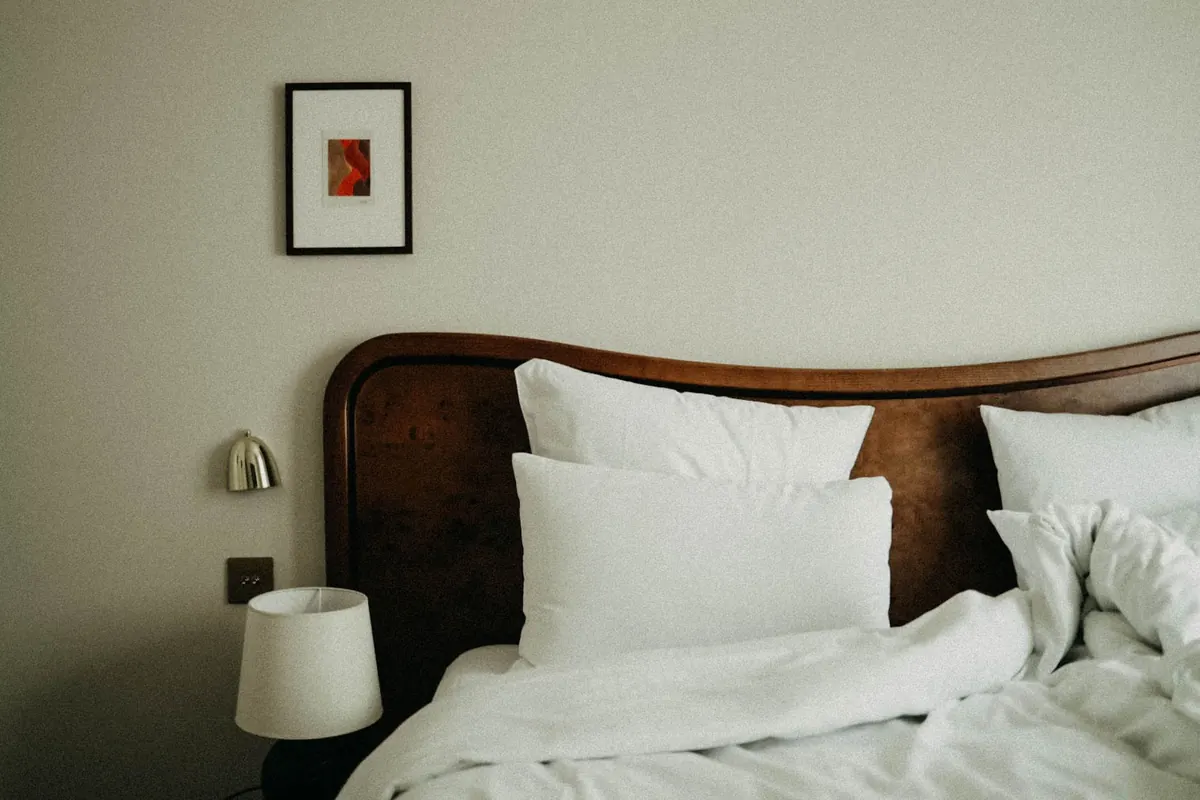
For one night, a small hotel or guesthouse with a person on reception beats a self-check-in flat. You get somebody to ask about the area, somewhere to leave your bag before check-in, and the sense that a human knows you are there. That matters more than a swanky bathroom.
Read recent reviews and look for the words clean, quiet and helpful. Check the address against the station on a map: a fifteen-minute walk is pleasant in daylight and considerably less so at eleven at night. Ask whether the room faces a main road or sits above a bar.
Hostels deserve a second look even if you have never thought of yourself as a hostel person. Many now offer private single rooms, and the shared kitchen gives you an easy way to talk to people without committing to anything.
Safety, without the drama
Solo travel is not inherently risky, but it is sensible to remove avoidable risk. Most of it is ordinary housekeeping.
- Tell one person where you are going and which train you are on, and message them when you arrive.
- Arrive before dark where you can, particularly in a town you do not know.
- Keep your phone charged and carry a power bank. Save the number of a local taxi firm.
- Stick to well-lit streets and trust your instincts. If a place or a person feels wrong, leave. You do not owe anyone politeness.
- Keep your card and your phone in separate pockets, and carry a little cash for places that do not take cards.
- In a bar, keep an eye on your drink and order a fresh one if you are unsure.
If you are drinking, decide your limit before you go out. An early night is a better ending than a bad one. Anyone with mobility needs, or travelling with a health condition, can contact the train operator in advance to arrange assistance — it is free and worth doing.
Filling the hours
A little structure works better than pure spontaneity the first time. Give each day one anchor — a gallery, a long walk, a proper lunch — and treat everything else as optional. Then, if the weather turns or you simply fancy a nap, nothing is ruined.
Eat somewhere with a counter or a window seat. Take a book; nobody is studying you. Coffee, a museum, a second coffee, a walk by the river: that is a perfectly good Saturday.
Packing and the journey home
One bag you can carry comfortably beats three you cannot. Beyond the obvious, these earn their place: a refillable water bottle, a charger and power bank, a light rain jacket whatever the forecast says, plasters for the shoes you have not broken in, and a paperback for the bits of the day when your phone battery is best saved.
On the way home, resist the urge to cram in one more sight. Leave a margin before your train and buy something to eat at the station rather than sprinting for a connection.
The week before you go
- Check your tickets, seat reservations and the times of the first and last trains back.
- Confirm your accommodation and its check-in window, and note how you will get from the station.
- Download an offline map of the town and screenshot your booking references.
- Send your plans to the person you have told, and give them a rough time to expect your arrival message.
- Charge everything, pack the night before, and set two alarms.
Then go, and keep the first trip small. One night, one town, one thing you actually want to see. The confidence arrives on the return platform, when you realise the whole thing was entirely within your control — and that planning the next one is now something to look forward to rather than put off.
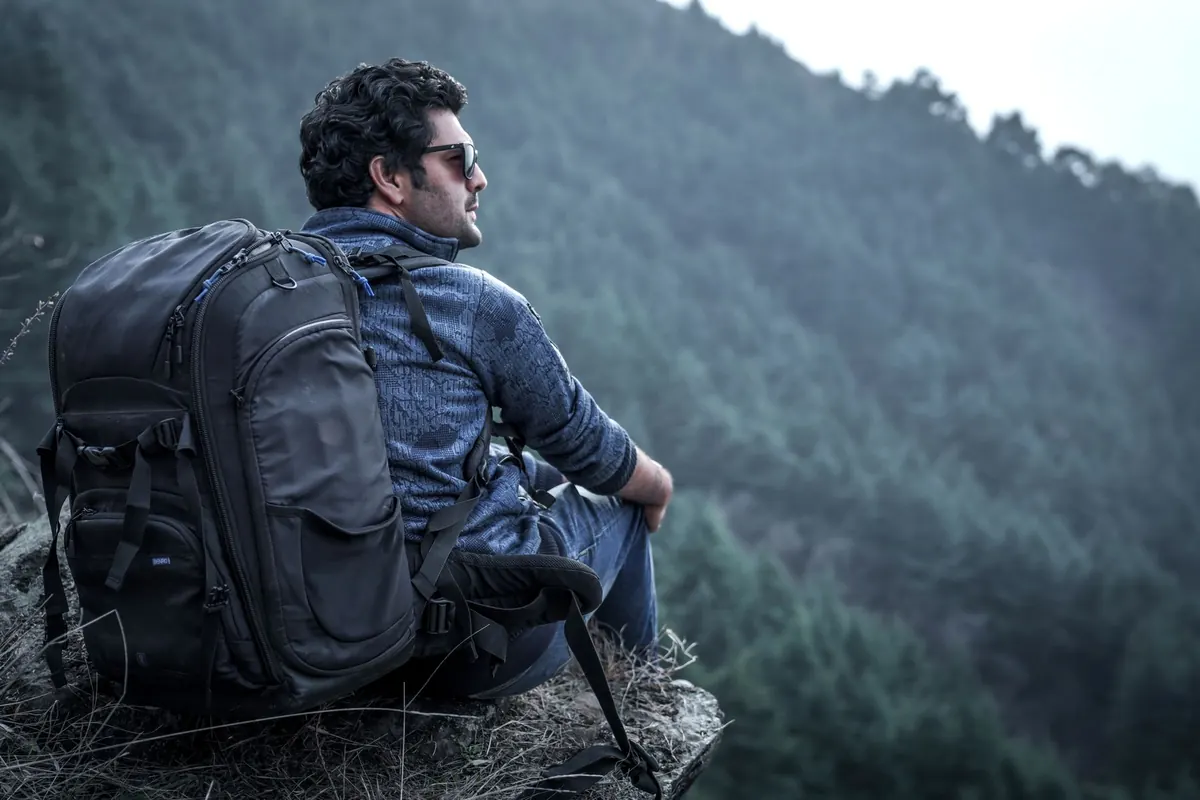
Photo: Imad Clicks / Pexels