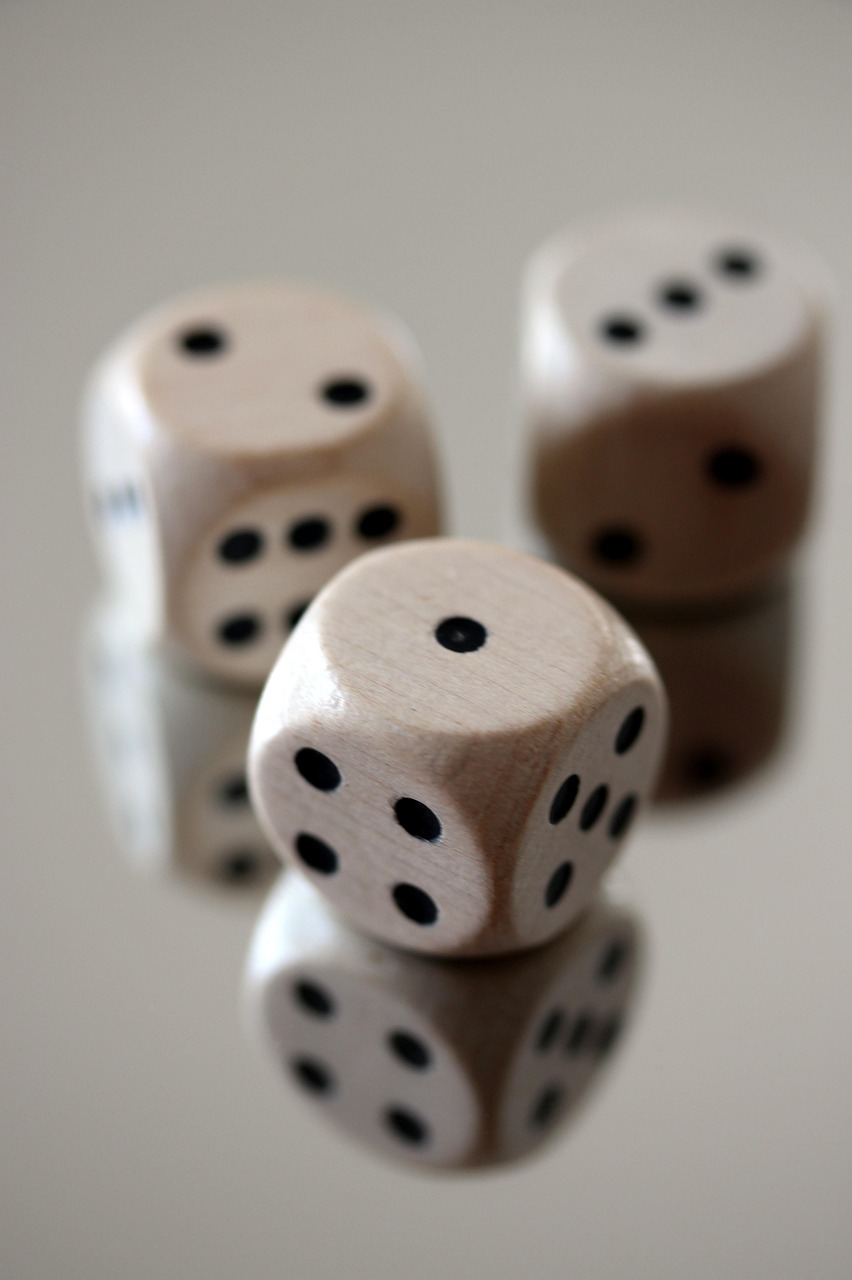
Two players spin the same online slot, at the same stake, for the same number of spins, and walk away with wildly different results. One doubles their balance; the other busts in ten minutes. Neither is unlucky in some cosmic sense, and neither is being cheated. They are simply experiencing variance, the engine that drives every casino game ever built. Understanding it won't make you rich, but it will stop you from making the expensive mistakes that come from misreading a bad session as a broken game.
Variance Is Not the Same as House Edge
People conflate these two constantly, and it costs them money. The house edge is the long-run mathematical advantage the casino holds. On a typical online slot it sits somewhere between 2% and 8%, which means for every $100 wagered, the game is designed to return roughly $92 to $98 over millions of spins. Variance is a completely separate concept: it describes how the results are distributed around that average.
A game can have a low house edge and brutal variance, or a high house edge and gentle variance. A 97% RTP slot that pays tiny amounts constantly feels generous but bleeds you slowly and predictably. A 96% RTP slot with a 50,000x max win will destroy your balance nine sessions out of ten and pay for a year's rent on the tenth. Same theoretical return. Radically different experience. Anyone weighing up options should see dana slot.
This is why comparing RTP numbers alone is a poor way to choose a game. A 96.5% slot with medium volatility is usually a smarter session choice than a 97% slot with extreme volatility, unless your bankroll is built for the swings.
How Volatility Actually Shapes Your Session
Volatility is usually expressed on a scale from low to extreme, and it determines the rhythm of play more than any other factor:
- Low volatility: frequent small wins, often below your stake. Think classic 3-reel fruit machines or Starburst-style games. Your balance drifts downward smoothly, and a session can last a long time on a modest bankroll. The trade-off is that big wins are rare to the point of being negligible.
- Medium volatility: the middle ground. Wins land often enough to keep you engaged, and features can produce 100x to 300x returns. This is where most mainstream, well-balanced slots live.
- High volatility: long barren stretches punctuated by significant hits. You might spin 200 times without a feature. Games like Money Train or San Quentin fall here, with max wins in the tens of thousands of times your stake.
- Extreme volatility: a small but growing category, often with "buy feature" mechanics and six-figure max wins. Sessions are essentially binary: you either hit something meaningful or your balance evaporates.
A practical example: if you have $100 and want a 90-minute session, playing an extreme-volatility slot at $2 per spin is close to gambling on a coin flip. Playing a low-volatility slot at $0.20 per spin gives you roughly 500 spins, and 500 spins at a low-volatility profile will almost always last the full session. The math isn't magic. It's just proportion.
The Bankroll Rules That Actually Work
Most bankroll advice is useless because it's vague. "Manage your money" tells you nothing. Here are concrete numbers that hold up in practice:
- Size your session bankroll to at least 100 bets, ideally 200. If you're betting $1 per spin, bring $200. This isn't about guaranteeing a win, it's about giving variance room to breathe. A 50-bet bankroll has a high chance of going bust during a normal cold streak even on a fair game.
- Match volatility to bankroll size. Small bankroll, low or medium volatility. Large bankroll and tolerance for deep swings, high volatility. Playing high-volatility games with a thin roll is the single most common way players lose their money before the game even has a chance to pay.
- Set a hard stop-loss before you start, and a stop-win too. Pick a number you're genuinely comfortable losing and a target that would make you happy. Leaving at either point is a skill, not a weakness. The players who grind their profits back into the machine at 3 a.m. are the ones who lose.
- Never chase a feature with increased stakes. The game owes you nothing. The RNG has no memory of your last 300 dead spins. Increasing your bet after a cold streak doesn't "trigger" anything, it just increases your average loss rate.
Why Poker Tells a Different Variance Story
If you play poker, you already know the frustration: you get your money in as a 75% favorite and lose anyway. Poker variance is measured in buy-ins, not spins, and the swings are brutal because the edges are small. A strong tournament player might have a 20% ROI over thousands of events, which means losing stretches of 30 or 40 buy-ins are not just possible, they're expected.
That's why serious poker players talk in terms of "risk of ruin" rather than session results. The math says that even with a genuine edge, you need roughly 20 to 50 buy-ins for cash games and 100 or more for tournaments to survive normal variance without going broke. Slots and table games don't have this dynamic because there's no skill edge to protect, which is exactly why bankroll rules matter even more in pure gambling games.
Betting Markets Have the Same DNA
Sports betting looks different on the surface, but the mechanics are identical. A sportsbook prices a market to a margin, typically 4% to 8% on a two-way line, and the variance of any individual bet is enormous. A heavy favorite at 1.20 odds loses roughly one in five times, which means five straight winning bets on such favorites still has a meaningful chance of producing a loss.
Punters who bet singles with small stakes and a genuine analytical edge survive. Punters who parlay five legs for a big payout are essentially buying lottery tickets with worse visibility into the actual probability of each leg. The accumulator is the high-volatility slot of the betting world.
The Takeaway Nobody Wants to Hear
No strategy changes the house edge. Not the betting system you read about on a forum, not waiting for a game to "cool down," not switching slots after a bad streak. The RNG doesn't care. What you can control is how much variance you expose yourself to, how long your money lasts, and whether you walk away at the right time. That's the entire skill set, and it's worth more than any tip or hot streak story. Treat volatility as a dial you choose deliberately, not a surprise you discover halfway through a session, and you'll enjoy the whole thing a lot more, win or lose.